


A Baker's Guide to Cinnamon: Types, Flavours, and Best Uses


Choosing the Right Cinnamon Makes Every Bake Better!
Cinnamon is one of the most popular spices in the world, adding warmth, sweetness, and depth to countless baked goods. From soft cinnamon rolls and buttery cookies to festive cakes and fruit pies, this versatile spice enhances both flavour and aroma.
However, many home bakers do not realise that there are several types of cinnamon, each with its own unique taste, strength, and ideal baking applications.
Understanding the differences between Ceylon and Cassia cinnamon can help you choose the right variety for every recipe. Whether you enjoy delicate pastries or rich holiday desserts, selecting the perfect type of cinnamon from The Spice Trader can significantly improve your baking results.
Cinnamon - Discovering the Spice Behind Great Baking
Cinnamon is one of the world's oldest and most treasured spices, celebrated for its warm aroma, naturally sweet flavour, and remarkable versatility in both sweet and savoury dishes. It is obtained from the inner bark of evergreen trees belonging to the Cinnamomum family. Once harvested, the bark is carefully peeled and dried, naturally curling into the familiar quills or sticks before being sold whole or ground into a fine powder.
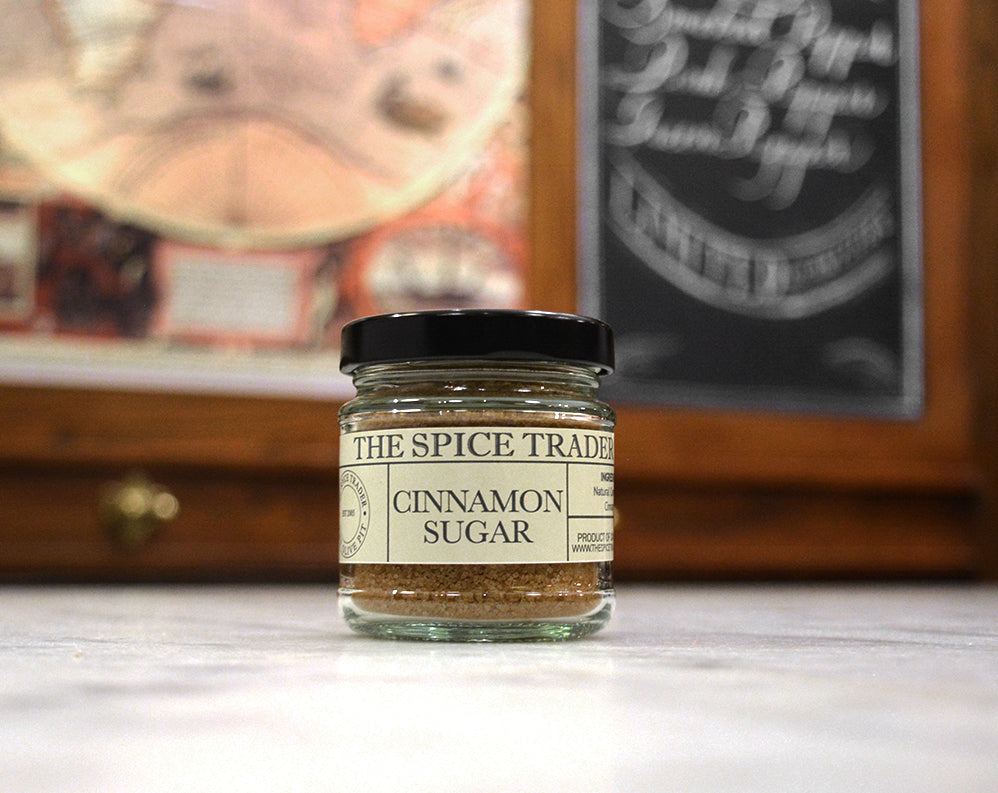
Premium Cinnamon Sugar for Irresistible Warm, Sweet Flavour.
Widely used across cuisines worldwide, cinnamon is especially valued in baking, where it enhances the flavour of cakes, cookies, pastries, breads, and desserts. Global production reached approximately 238,403 tonnes in 2023, with Indonesia, China, Vietnam, and Sri Lanka contributing the most to the world's cinnamon supply.
Understanding the Main Types of Cinnamon
Not all cinnamon tastes the same. Different growing regions and tree species produce unique flavours, aromas, and textures.
1. Ceylon Cinnamon
Often called "true cinnamon," Ceylon cinnamon is mainly grown in Sri Lanka.
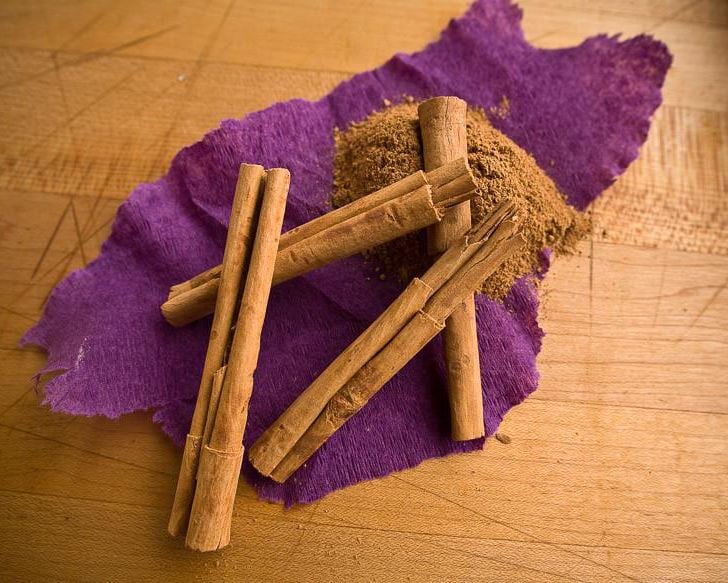
It is known for its:
- Light brown colour
- Thin, delicate layers
- Soft texture
- Mild, sweet flavour
- Gentle citrus and floral notes
Its flavour is subtle; Ceylon cinnamon works particularly well in recipes where you want the other ingredients, such as vanilla, butter, or fruit, to remain the main focus. It is also naturally lower in coumarin, a compound found in larger amounts in other cinnamon varieties.
2. Cassia Cinnamon
Cassia cinnamon is the variety most commonly found in supermarkets. Cassia's intense flavour makes it ideal for recipes where cinnamon needs to stand out, such as cinnamon buns, spice cookies, and coffee cakes.
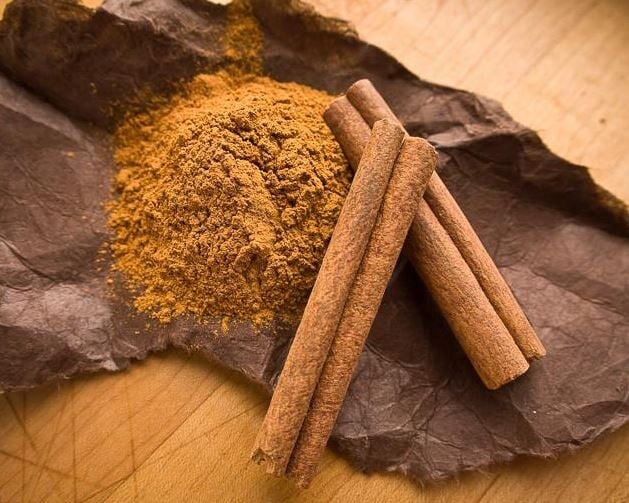
It typically has:
- Dark reddish-brown colour
- Thick, hard bark
- Strong aroma
- Bold, spicy flavour
- Slightly peppery finish
Ceylon Vs Cassia Cinnamon
Many bakers wonder whether choosing Ceylon or Cassia cinnamon really makes a difference. Well, the answer totally depends on the flavour profile you want to achieve.
|
Features |
Ceylon Cinnamon |
Cassia Cinnamon |
|
Origin |
Sri Lanka |
China, Indonesia, Vietnam |
|
Colour |
Light brown |
Dark reddish-brown |
|
Texture |
Thin, soft layers |
Thick, hard bark |
|
Flavour |
Mild, sweet, delicate |
Bold, spicy, robust |
|
Aroma |
Light and floral |
Rich and intense |
|
Coumarin Content |
Naturally low |
Higher |
|
Best For |
Delicate cakes, pastries, and custards |
Cookies, cinnamon rolls, spice cakes |
|
Availability |
Less common |
Widely available |
|
Price |
Premium |
More affordable |
Which One Should You Choose?
Choose Ceylon cinnamon if you want:
- A refined, delicate flavour
- Better balance in light desserts
- A subtle spice profile
Choose Cassia cinnamon if you prefer:
- Rich cinnamon flavour
- Strong aroma
- Classic bakery-style taste
Other Cinnamon Types Bakers Should Know
While Ceylon and Cassia are the most recognised varieties, two other cinnamon types are popular among experienced bakers.
Saigon Cinnamon
Saigon cinnamon comes from Vietnam and is known for its exceptionally high essential oil content.
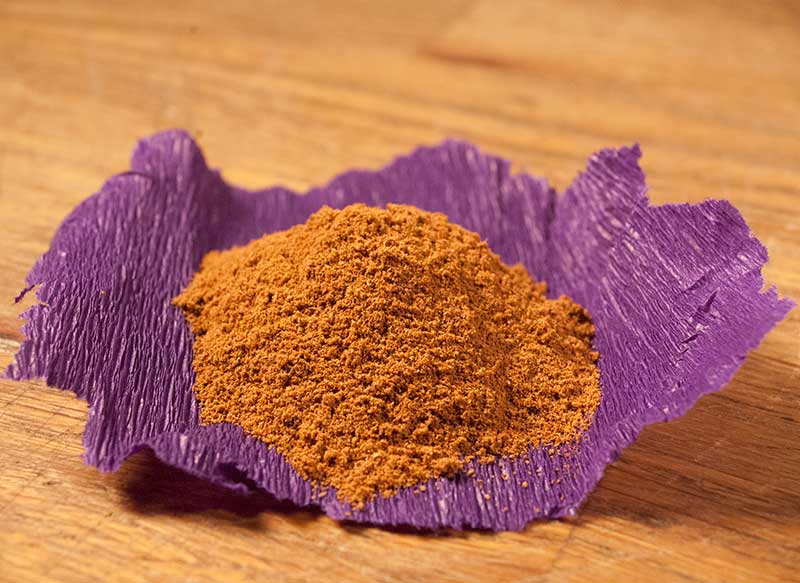
Its flavour is:
- Sweet
- Rich
- Intensely aromatic
- Bold and warming
It works particularly well in:
- Cinnamon rolls
- Sticky buns
- Pumpkin pie
- Gingerbread
- Holiday desserts
Korintje Cinnamon
Korintje cinnamon (Cinnamomum burmanni) is mainly grown in Indonesia and is widely used by commercial bakeries. Korintje is an excellent all-purpose cinnamon for everyday baking because it blends well with a wide variety of ingredients.
It offers:
- Balanced sweetness
- Mild spice
- Earthy undertones
- Smooth finish
How Does Cinnamon Affect Baking
Cinnamon does much more than add warmth and spice to baked goods. It enhances aroma, balances flavours, and brings greater depth and complexity to a wide range of recipes.
Whether you're making soft cookies, fruit pies, or rich spice cakes, the right cinnamon can significantly improve both flavour and presentation.
1. Enhances Aroma
One of cinnamon's most recognisable qualities is its rich, comforting aroma. As baked goods cook, cinnamon releases fragrant essential oils that fill the kitchen with a warm, inviting scent, making cakes, breads, and pastries even more appealing.
2. Enhances Natural Sweetness
Cinnamon naturally enhances the perception of sweetness, allowing desserts to taste richer and more flavourful without depending entirely on additional sugar. This makes it a valuable ingredient for creating well-balanced baked goods.
3. Adds Warmth and Depth
Its sweet yet slightly spicy flavour adds complexity to recipes and complements a wide variety of ingredients, including:
- Apples and pears
- Pumpkin
- Chocolate
- Vanilla
- Pecans and walnuts
- Oats
4. Creates Better Flavour Balance
Cinnamon pairs exceptionally well with other baking spices, creating the warm, layered flavours found in many classic desserts.
Popular pairings include:
- Nutmeg
- Ginger
- Cloves
- Cardamom
- Allspice
Together, these spices produce a more rounded and aromatic flavour profile, especially in seasonal and festive baked goods.
5. Adds Rich Colour
Beyond flavour, ground cinnamon adds a warm golden-brown colour to cakes, muffins, cookies, quick breads, and pastries, giving baked goods a more appetising, homemade appearance.
Best Cinnamon Types for Different Baked Goods
Each cinnamon variety has its own unique flavour profile, making it better suited to certain recipes. Choosing the right cinnamon can enhance the overall taste, complement other ingredients, and create a more balanced bake.
|
Baked Goods |
Best Cinnamon Types |
Why It Works Best |
|
Cakes |
Ceylon Cinnamon |
Its mild, sweet flavour complements sponge cakes, vanilla cakes, butter cakes, and lightly spiced desserts without overpowering delicate ingredients. |
|
Cookies |
Cassia Cinnamon |
Its bold, warm flavour stands out in sugar cookies, snickerdoodles, oatmeal cookies, and ginger cookies, creating the classic cinnamon taste many people expect. |
|
Cinnamon Rolls |
Saigon Cinnamon |
Rich in essential oils, Saigon cinnamon delivers an intensely aromatic, sweet, and spicy filling that pairs perfectly with buttery dough. |
|
Muffins and Quick Breads |
Korintje Cinnamon |
Its balanced flavour blends well with fruits and vegetables, making it ideal for banana bread, apple loaf, pumpkin bread, carrot cake, and zucchini loaf. |
|
Apple Pies and Fruit Desserts |
Ceylon Cinnamon |
Its delicate sweetness enhances apples, pears, berries, and stone fruits while allowing their natural flavours to remain the focus. |
|
Pastries |
Ceylon Cinnamon |
The gentle flavour complements buttery pastries, Danish pastries, croissants, and tarts without becoming overpowering. |
|
Holiday Baking |
Cassia or Saigon Cinnamon |
Their bold, warming flavours are perfect for festive favourites such as gingerbread, fruitcake, Christmas cookies, spice cakes, and pumpkin pie. |
Tips for Baking with Cinnamon
A few simple tips can help you get the best flavour and aroma from cinnamon. Whether you are preparing cakes, cookies, breads, or pastries, using cinnamon correctly can make a noticeable difference to the final result.
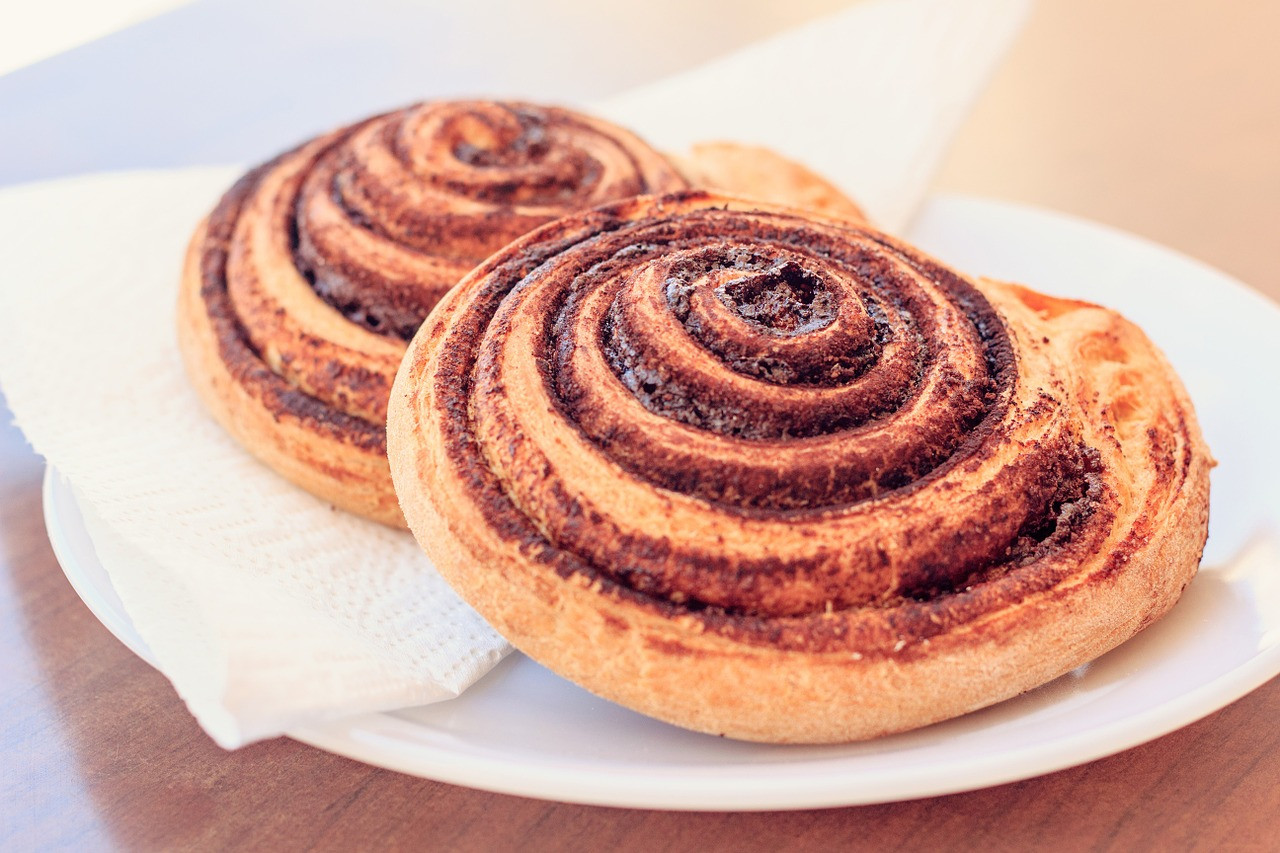
- Measure It Carefully: Cinnamon has a bold flavour, so it is important to use the amount recommended in the recipe. Adding too much can overpower the other ingredients and affect the overall balance of the bake.
- Pair It with Other Spices: Cinnamon works well with spices such as nutmeg, ginger, cloves, cardamom, and allspice. Combining these spices creates a richer, warmer flavour, especially in seasonal and festive baked goods.
- Bloom Cinnamon Before Using It: For fillings and toppings, mix ground cinnamon into melted butter or warm syrup before adding it to the recipe. This helps release its natural oils, giving your baked goods a stronger aroma and a more even flavour.
- Choose Fresh, High-Quality Cinnamon: Fresh cinnamon provides a richer aroma and a more vibrant flavour than older spices. Using high-quality cinnamon can noticeably improve the taste of your baked goods.
- Store It Properly: Store cinnamon in an airtight container in a cool, dry place away from heat, moisture, and direct sunlight. Proper storage helps preserve its flavour and aroma for longer.
- Replace Ground Cinnamon When Needed: Ground cinnamon gradually loses its flavour. Replacing it every 6 to 12 months helps ensure your baked goods always have the rich aroma and taste of fresh cinnamon. Whole cinnamon sticks last longer and can retain their quality for up to two to three years when stored correctly.
5 Common Mistakes to Avoid When Baking with Cinnamon
Avoiding a few common errors can make a noticeable difference in your finished desserts.
1. Using stale cinnamon
Older ground cinnamon loses much of its aroma and flavour, resulting in flat-tasting baked goods.
2. Choosing the wrong cinnamon variety
A delicate cake may taste overpowering with Cassia, while a cinnamon roll may lack intensity if made with only Ceylon cinnamon.
3. Adding too much cinnamon
Excess cinnamon can overwhelm other ingredients and create an unbalanced flavour.
4. Storing cinnamon incorrectly
Exposure to air, moisture, heat, and sunlight causes cinnamon to lose its freshness more quickly.
5. Assuming all cinnamon is identical
Each variety has unique flavour characteristics, making it worth selecting the right one for each recipe.
Conclusion
Choosing the right type of cinnamon can enhance your baking by improving flavour, aroma, and overall balance. Understanding the differences between Ceylon and Cassia cinnamon, along with other popular varieties such as Saigon and Korintje, helps you select the best option for every recipe.
Whether you are baking delicate pastries, hearty loaves, or festive treats, the perfect type of cinnamon helps ensure consistently delicious results.
For the best baking experience with cinnamon, start with fresh, premium-quality spices. The Spice Trader offers carefully sourced cinnamon varieties that deliver exceptional flavour and aroma, helping every bake achieve its full potential.