


Ginger and Allspice - A Baker's Guide to Warm Flavours and Perfect Bakes


Bring warmth and rich flavour to your favourite bakes with ginger and allspice.
Few ingredients capture the comforting essence of home baking quite like warm spices. Whether you're preparing festive gingerbread, soft molasses cookies, fruitcake, or a classic carrot cake, the right combination of premium spices from The Spice Trader turns simple ingredients into rich, aromatic bakes.
Among the most versatile baking spices are ginger spice and allspice, two pantry essentials that complement one another while contributing entirely different flavour profiles. Although they are frequently added together in recipes, ginger and allspice serve distinct purposes.
Ginger provides a lively, peppery warmth that adds depth and character, while allspice contributes comforting notes of cinnamon, cloves, and nutmeg. Together, they balance sweetness, enrich buttery doughs, and enhance the rich flavour of molasses.
Learning how ginger and allspice influence flavour during baking gives you greater control over your recipes. By learning when to highlight ginger, when to use allspice more lightly, and how to combine them effectively, you can achieve well-balanced cakes, biscuits, cookies, and seasonal desserts every time.
What Makes Ginger and Allspice Essential Baking Spices
Warm spices add depth, enhance aroma, and balance the sweetness of ingredients like brown sugar, honey, maple syrup, and molasses. As they bake, their natural oils are released, giving baked goods a richer flavour and inviting aroma.
Ginger and allspice complement each other perfectly. Ginger brings a lively, peppery warmth, while allspice contributes sweet, aromatic notes reminiscent of cinnamon, cloves, and nutmeg. Knowing how these baking spices work together helps you create baked goods with greater warmth, depth, and aroma.
Why Ginger Is a Baker's Favourite
What is Ginger
Ginger comes from the underground stem, or rhizome, of the plant Zingiber officinale. Used for centuries in cuisines around the world, it is valued for its distinctive warmth, aromatic qualities, and versatility in both sweet and savoury dishes. In baking, ginger is appreciated for its ability to add a bold yet balanced flavour.
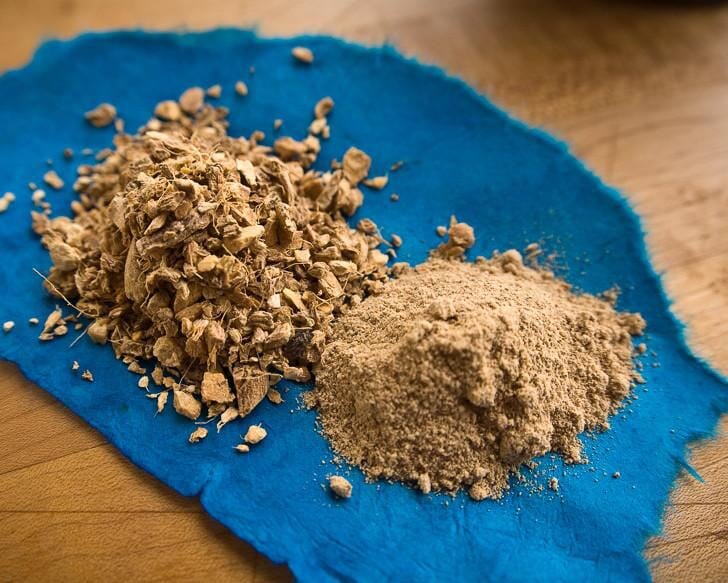
Its profile is often described as:
- Warm and fragrant
- Peppery with gentle heat
- Subtly citrusy
- Rich and spicy
Fresh Ginger Vs Ground Ginger for Baking
Although fresh and ground ginger come from the same plant, they produce noticeably different results in baking.
|
Fresh Ginger |
Ground Ginger |
|
Fresh, aromatic flavour |
Warm, concentrated flavour |
|
Naturally moist |
Dry and highly aromatic |
|
Adds texture to batters |
Blends evenly into dry ingredients |
|
Best for loaf cakes, glazes and muffins |
Ideal for cookies, biscuits, spice cakes and gingerbread |
A common substitution guideline is -
1 tablespoon of freshly grated ginger = ¼ teaspoon of ground ginger
However, this conversion should be used as a starting point rather than a strict rule. The strength of fresh ginger varies depending on its age and variety, while ground ginger offers greater consistency from one recipe to another.
Why Ground Ginger is Preferred for Baking
When it comes to ground ginger baking, dried ginger remains the preferred option for most recipes because it disperses evenly throughout the flour mixture and develops a rich, mellow warmth during baking.
Ground ginger is especially suitable for:
- Gingerbread
- Molasses cookies
- Shortbread
- Spice cakes
- Scones
- Biscuits
- Homemade spice blends
Its concentrated flavour also makes it easier to achieve consistent results across multiple batches, particularly when preparing festive or seasonal recipes.
Why Allspice Remains a Baking Essential
What is Allspice?
Despite its name, allspice is not a mixture of different spices. It is the dried unripe berry of the tree Pimenta dioica, native to parts of the Caribbean and Central America.
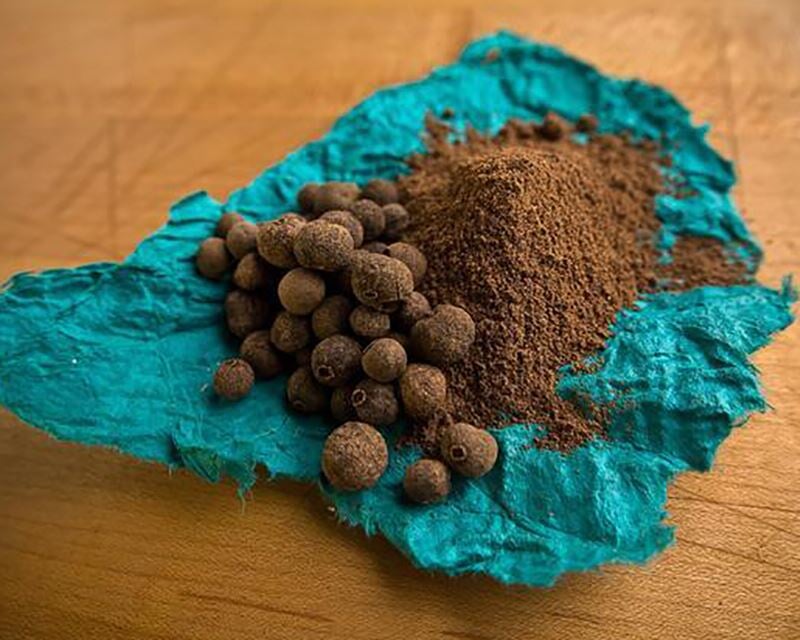
The name "allspice" comes from its remarkably complex flavour, which resembles a combination of several familiar baking spices, including:
- Cinnamon
- Cloves
- Nutmeg
- Black pepper
This naturally layered flavour allows allspice to add richness without requiring multiple individual spices.
Why Allspice is So Popular in Baking
Allspice contributes warmth in a gentler, more rounded way than ginger. Instead of providing noticeable heat, it fills out the background flavour, giving baked goods a smooth, comforting character.
It works particularly well with:
- Apples and pears
- Dried fruits
- Pumpkin
- Brown sugar
- Molasses
- Honey
- Carrots
Its subtle complexity also helps connect the flavours of other spices, making it an important ingredient in classic spice cakes, fruitcakes, and gingerbread recipes.
Ginger Vs Allspice: What's the Difference?
Although these spices are commonly paired, understanding their individual characteristics helps create better-balanced recipes.
|
Ginger |
Allspice |
|
Warm and peppery |
Smooth and earthy |
|
Adds a gentle spicy kick |
Adds mellow warmth |
|
Usually the dominant spice |
Usually supports other spices |
|
Sharp, lively aroma |
Rounded, sweet aroma |
|
Ideal for gingerbread and cookies |
Excellent for fruit cakes and spice blends |
Rather than replacing one another, ginger and allspice perform complementary roles. Ginger creates the first impression, while allspice builds depth that lingers after each bite.
Why Ginger and Allspice Make the Perfect Pair
Many classic baking recipes rely on both spices because they create balance through contrast.
The lively warmth of ginger prevents buttery cakes and sugary biscuits from tasting too heavy, while allspice softens ginger's peppery edge with gentle sweetness. This layered combination creates a fuller flavour profile than either spice could achieve on its own.
Together, they pair exceptionally well with ingredients such as:
- Brown sugar
- Molasses
- Apples
- Pears
- Pumpkin
- Carrots
- Raisins
- Dates
- Oats
- Pecans and walnuts
These ingredients naturally absorb warm spices during baking, producing desserts with deeper flavour and a richer aroma.
The Ideal Ginger and Allspice Ratio for Baking
One of the most common mistakes home bakers make is using equal amounts of ginger and allspice. While this may seem logical, it often produces an unbalanced flavour where allspice dominates the palate. For most recipes, ginger should remain the primary spice, with allspice providing subtle support.
Recommended Pairing Ratio -
A reliable starting point is a 3:1 or 4:1 ratio in favour of ginger.
For example:
- 1½ teaspoons ground ginger
-
¼ teaspoon ground allspice
This ratio delivers warmth and balance without allowing either spice to overpower the bake. The ideal amount can vary by recipe. Gingerbread and molasses cookies often benefit from extra ginger, while fruitcakes and apple cakes pair well with a slightly stronger allspice flavour.
With baking spices, it is easier to increase flavour in future batches than to fix a recipe that has been over-spiced. Starting with balanced measurements lets the other ingredients shine while maintaining the comforting warmth of spiced baking.
Delicious Bakes Made Better with Ginger and Allspice
Ginger and allspice complement a wide variety of baked goods, but the proportion of each spice should vary depending on the recipe. While ginger often delivers the signature warmth, allspice enhances sweetness and creates a more rounded flavour profile. Here are some of the best ways to use them together.
1. Gingerbread
No spiced bake showcases ginger better than traditional gingerbread. Ground ginger provides its characteristic warmth and peppery bite, while a small amount of allspice softens the flavour with hints of cinnamon, cloves, and nutmeg.
For an even richer taste, combine them with cinnamon and a pinch of cloves. Allowing the dough to rest for several hours, or overnight, gives the spices time to infuse, resulting in deeper flavour and a more aromatic bake.
2. Chewy Molasses Cookies
Molasses has a naturally deep, caramel-like sweetness that pairs exceptionally well with warm spices. Ground ginger cuts through that richness with a gentle heat, while allspice enhances the molasses without overpowering it.
For soft, chewy cookies with a crackled surface, use brown sugar and avoid overbaking. The cookies will continue to set as they cool while retaining a tender centre.
3. Apple Cakes and Fruitcakes
Apples, pears, raisins, sultanas, dates, and figs readily absorb warm spices during baking. Allspice naturally enhances the sweetness of baked fruit, while ginger adds brightness and a subtle peppery finish that keeps each bite balanced.
These spices are particularly effective in fruitcakes because their flavours continue to develop over time, producing an even richer taste after a day or two of resting.
4. Carrot Cake
Carrot cake benefits from a carefully balanced spice blend. Ginger provides freshness and warmth, while allspice contributes depth that complements the natural sweetness of carrots.
For a classic flavour profile, combine both spices with cinnamon and freshly grated nutmeg. The result is a moist, aromatic cake that pairs beautifully with cream cheese frosting.
5. Pumpkin Bread and Muffins
Pumpkin has a naturally mild, earthy flavour that benefits from warm spices. Ginger brings brightness, while allspice reinforces the comforting autumn flavours associated with pumpkin baking.
Adding toasted pecans or walnuts introduces texture and complements the warm spice blend without masking it.
4 Baking Tips for Maximum Flavour
Using quality spices is only part of the equation. The way you incorporate them into your recipe can make a noticeable difference to the finished bake.
1. Bloom Spices with Butter or Oil
Many of the flavour compounds found in ginger and allspice are fat-soluble. Mixing the spices into softened butter during the creaming stage, or stirring them into oil before adding the remaining ingredients, helps distribute their essential oils more evenly throughout the batter.
This simple technique creates a fuller, more consistent flavour in every bite.
2. Choose Brown Sugar for Richer Flavour
Brown sugar contains molasses, which naturally enhances warm spices. It creates greater depth in cookies, spice cakes, muffins, and quick breads while complementing the peppery notes of ginger and the mellow sweetness of allspice.
3. Let the Batter or Dough Rest
Resting cookie dough or cake batter for 20 to 30 minutes allows the dry spices to hydrate and blend more thoroughly with the other ingredients. For recipes such as gingerbread or molasses cookies, chilling the dough overnight often produces an even richer flavour.
4. Measure Spices Carefully
Warm spices may appear subtle before baking, but their flavours develop significantly in the oven. Always measure accurately using measuring spoons rather than estimating by eye, particularly when working with allspice, which can become overpowering if overused.
5 Baking Mistakes That Can Affect Flavour and Texture
Even the finest ingredients cannot compensate for poor technique. Avoid these common mistakes to achieve balanced, flavourful results.
1. Using Stale Ground Spices
Ground spices gradually lose their essential oils, reducing both aroma and flavour. If your ginger or allspice smells weak after rubbing a small amount between your fingers, it is time to replace it.
2. Adding Too Much Allspice
Although allspice is wonderfully aromatic, excessive amounts can create an overly strong clove flavour and introduce slight bitterness. It should enhance ginger rather than dominate it.
3. Using Equal Quantities of Both Spices
Most baking recipes benefit from allowing ginger to lead while allspice provides background warmth. Following a 3:1 or 4:1 ratio in favour of ginger generally produces the most balanced flavour.
4. Confusing Fresh and Ground Ginger
Fresh ginger contains moisture and delivers a brighter flavour, while ground ginger is concentrated and dry. Substituting one directly for the other without adjusting quantities can significantly alter both flavour and texture.
5. Over-Spicing Delicate Cakes
Light vanilla or butter cakes require a gentle hand with warm spices. Using excessive quantities can overwhelm their subtle flavours and reduce the overall balance of the bake.
How to Store Ginger and Allspice Properly
Proper storage helps preserve the essential oils responsible for the aroma and flavour of baking spices.
For the best results:
- Store spices in airtight containers.
- Keep them away from direct sunlight, heat, and moisture.
- Avoid storing them above the cooker, where frequent temperature changes can reduce their freshness.
- Use clean, dry measuring spoons to prevent moisture from entering the container.
Ground ginger and ground allspice generally retain their best flavour for around 12 months when stored correctly. Whole allspice berries last considerably longer because their protective outer layer helps preserve the aromatic oils. Grinding whole berries just before use provides the freshest and most intense flavour.
A quick freshness test is simple. Rub a small pinch of the spice between your fingers. If it releases a strong, fragrant aroma, it is still suitable for baking. If the scent is faint or dusty, replacing it will noticeably improve your recipes.
Frequently Asked Questions
Can I substitute fresh ginger for ground ginger in baking?
Yes, but the results will differ. Fresh ginger contributes moisture and a bright, zesty flavour, while ground ginger provides a warmer, more concentrated taste. As a general guideline, 1 tablespoon of freshly grated ginger is approximately equal to ¼ teaspoon of ground ginger, although the intensity of fresh ginger can vary.
Is allspice a blend of different spices?
No. Allspice comes from the dried berries of the Pimenta dioica tree. Its flavour naturally resembles a combination of cinnamon, cloves, nutmeg, and pepper, which is how it earned its name.
Can I bake with allspice alone?
Yes. Allspice works well on its own in recipes such as apple cakes, fruitcakes, pumpkin bread, and muffins. However, combining it with ginger creates a more layered and balanced flavour profile.
Which spice has the stronger flavour?
Ginger typically has the stronger, more noticeable flavour due to its peppery warmth and bold character. Allspice is milder, offering warm notes of cinnamon, cloves, and nutmeg that blend into recipes without overpowering other ingredients. It works best as a complementary spice that adds depth and complexity.
Conclusion:
Ginger and allspice are two essential baking spices that bring warmth, depth, and balance to a wide range of sweet treats. While ginger adds a bright, peppery heat, allspice provides a smooth, rounded flavour that enhances the overall taste of baked goods.
By understanding their unique qualities and using them in the right proportions, you can create perfectly balanced recipes with richer aromas and more complex flavours. Whether you are making gingerbread, cookies, cakes, or fruit-based desserts, these spices can enhance simple recipes into delicious bakes. With fresh, quality spices and the right techniques, ginger and allspice from The Spice Trader can become reliable pantry staples that help you bake with confidence and creativity.