


Baking Spices 101: A Complete Guide to Sweet, Warm, and Aromatic Flavours


The Essential Baking Spices Behind Rich, Sweet, Warm, and Aromatic Flavours!
Few ingredients influence baked goods as much as spices. Whether you're preparing a simple batch of biscuits or a delicious celebration cake, the right baking ingredients add flavour, aroma, warmth, and depth that other ingredients alone cannot achieve.
From the comforting sweetness of cinnamon to the delicate fragrance of cardamom and the rich warmth of nutmeg, each spice contributes its own distinctive character. Used individually or blended, baking spices from The Spice Trader enhance everything from soft cakes, gooey cookies, mouthwatering muffins, fresh breads, fancy pastries, and hot pies to creamy puddings and other festive desserts …

Understanding how different spices work is just as important as choosing quality ingredients for any home baker or professional chef. Every spice has a unique flavour profile, varying levels of intensity, and ideal food pairings. Knowing when to use them, how much to add, and which spices complement one another helps create balanced flavours without overpowering a recipe.
What Are Baking Spices?
Baking spices are aromatic spices used to enhance the flavour, aroma, and overall character of baked goods. They are commonly added to recipes such as cakes, biscuits, muffins, pastries, breads, pies, tarts, puddings, and desserts, where they create richer, more complex flavours.

Bake flavourful cakes, cookies, and desserts with our premium vanilla extract.
Unlike ingredients that provide sweetness or texture, spices contribute natural aromatic compounds that develop during mixing and baking. Even small quantities can improve a recipe by adding warmth, sweetness, freshness, citrus notes, floral aromas, or gentle earthy undertones.
Many baking spices are obtained from different parts of plants, including leaves, seeds, bark, roots, berries, flower buds, and fruit coverings. Their distinctive flavours come from naturally occurring essential oils, which are released when the spices are ground, heated, or infused into a recipe.
Although several spices are suitable for both sweet and savoury cooking, certain varieties have become baking staples because they pair exceptionally well with ingredients such as butter, vanilla, chocolate, cream, fruit, nuts, honey, and sugar.
Why Do Baking Spices Matter?
Spices do much more than add flavour. They help define the overall character of a baked good by influencing its aroma, complexity, and balance. Without spices, many classic recipes would taste noticeably flatter and less distinctive.
The right spice can:
- Add warmth and depth to sweet recipes.
- Balance the richness of butter, cream, chocolate, and sugar.
- Enhance the natural flavour of fruits and nuts.
- Introduce floral, citrus, woody, or earthy notes.
- Create signature seasonal flavours associated with autumn and festive baking.
- Produce inviting aromas that develop during baking.
Baking Spices Vs Cooking Spices - Know the Difference
Many spices are versatile enough to be used in both baking and savoury cooking. However, the way they are used often differs depending on the recipe.
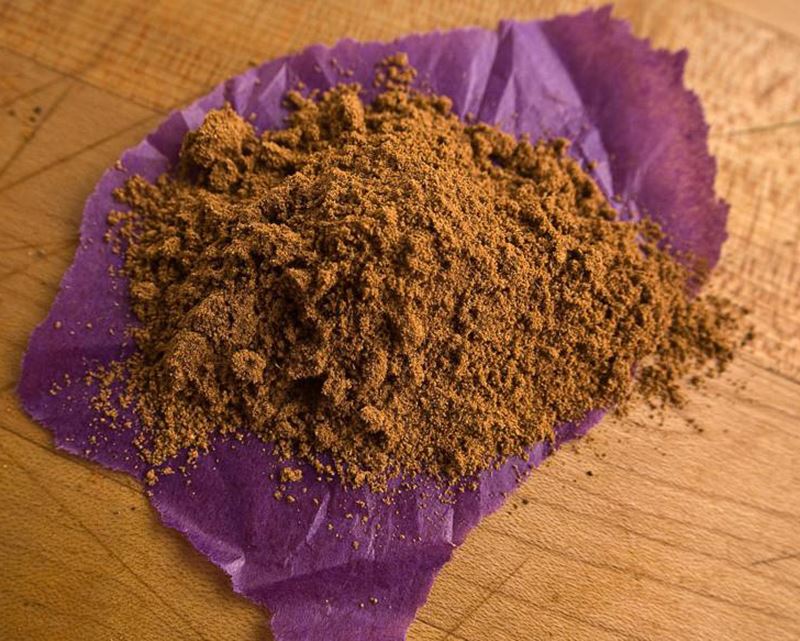
Baking spices are typically selected for their sweet-spicy flavour, warm, or aromatic qualities. They complement desserts and baked goods by adding gentle complexity without overpowering delicate ingredients.
Cooking spices are more commonly chosen for savoury dishes, where they contribute earthy, smoky, peppery, or pungent flavours.
Many spices are suitable for both baking and cooking ... Several spices, including ginger, cinnamon, cardamom, cloves, and star anise, are widely used in both sweet and savoury cuisines around the world.
Baking Spices Vs Cooking Spices - in a Glimpse!
|
Baking Spices |
Cooking Spices |
|
Primarily used in cakes, biscuits, breads, pastries, pies, desserts, and sweet drinks |
Primarily used in curries, soups, sauces, meat, vegetables, and rice dishes |
|
Often sweet, warm, fragrant, or lightly spicy |
Often savoury, earthy, smoky, peppery, or robust |
|
Complement sugar, fruit, butter, vanilla, chocolate, and nuts |
Complement herbs, vegetables, meats, legumes, and grains |
|
Examples include cinnamon, nutmeg, ginger, cardamom, cloves, allspice, mace, and vanilla |
Examples include cumin, coriander, paprika, turmeric, mustard seeds, black pepper, and fennel seeds |
8 Essential Baking Spices Every Kitchen Should Have
A well-stocked spice cupboard allows you to prepare everything from everyday muffins and biscuits to festive fruit cakes and artisan breads. While every spice has its own flavour characteristics, many work together to create balanced, layered flavours.
The following baking spices are among the most versatile and widely used.
1. Cinnamon
Cinnamon is one of the most popular baking spices because of its naturally sweet, woody, and warming flavour. It enhances baked goods without dominating other ingredients, making it suitable for both everyday and seasonal recipes.
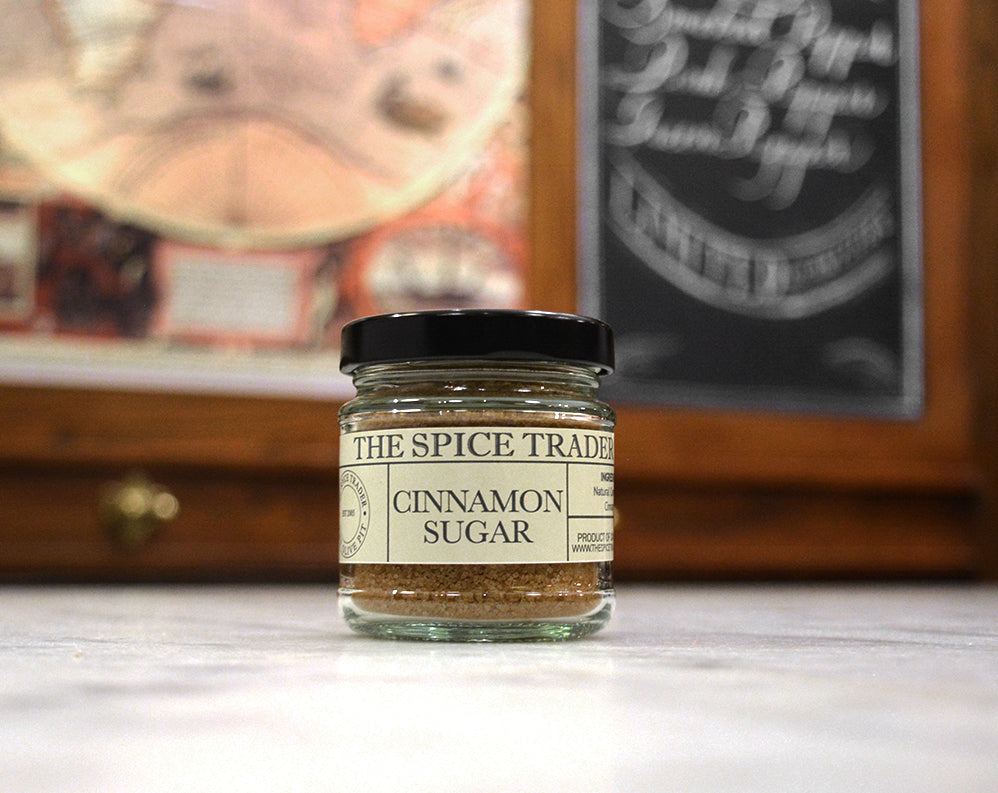
You can also get cinnamon sugar to sprinkle on top of apple slices, pears, nuts, oats or bananas for a tasty flavour!
Best used in:
- Apple pies
- Cinnamon rolls
- Cakes
- Muffins
- Cookies and biscuits
- Banana bread
- Sweet breads
- Hot drinks
2. Nutmeg
Nutmeg provides a warm, nutty flavour with subtle earthy sweetness. Although it is used sparingly, it adds remarkable depth and richness to baked goods.
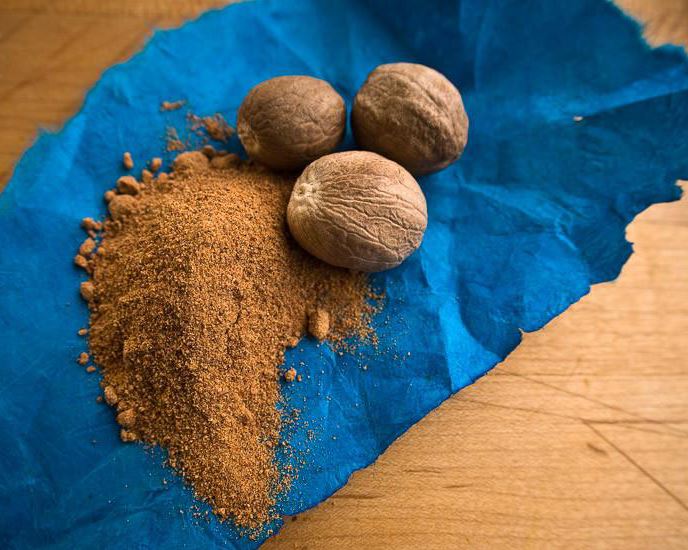
Freshly grated whole nutmeg offers a brighter aroma and fuller flavour than pre-ground nutmeg, making it a favourite among experienced bakers.
Best used in:
- Sponge cakes
- Cheesecakes
- Custards
- Doughnuts
- Bread puddings
- Fruit cakes
- Pumpkin desserts
3. Ginger
Ground ginger delivers a distinctive balance of warmth, sweetness, and gentle peppery spice. It is one of the defining ingredients in many traditional baked goods and festive treats.
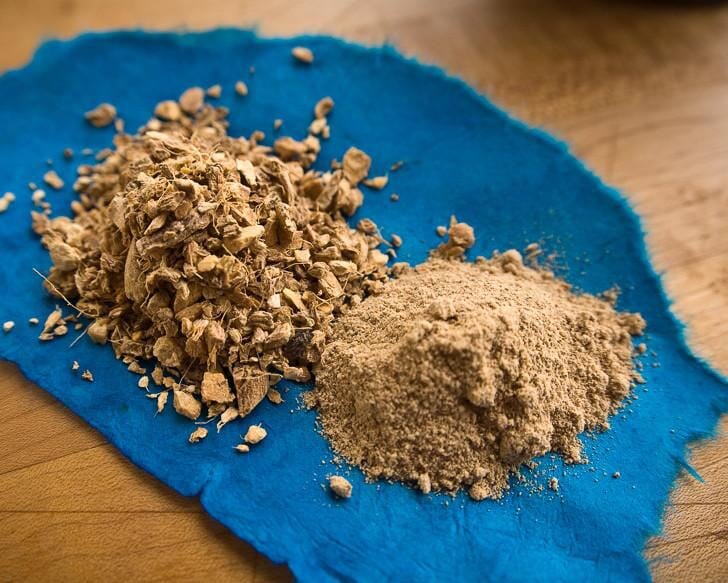
Its lively flavour pairs well with molasses, honey, citrus fruits, pears, apples, and chocolate.
Best used in:
- Gingerbread
- Biscuits
- Loaf cakes
- Muffins
- Sticky puddings
- Spice cakes
4. Cardamom
Cardamom is valued for its complex flavour, combining sweet, citrus, herbal, and floral notes. It brings freshness and elegance to baking without overwhelming other ingredients. It is particularly popular in Scandinavian, Middle Eastern, and South Asian baking traditions.
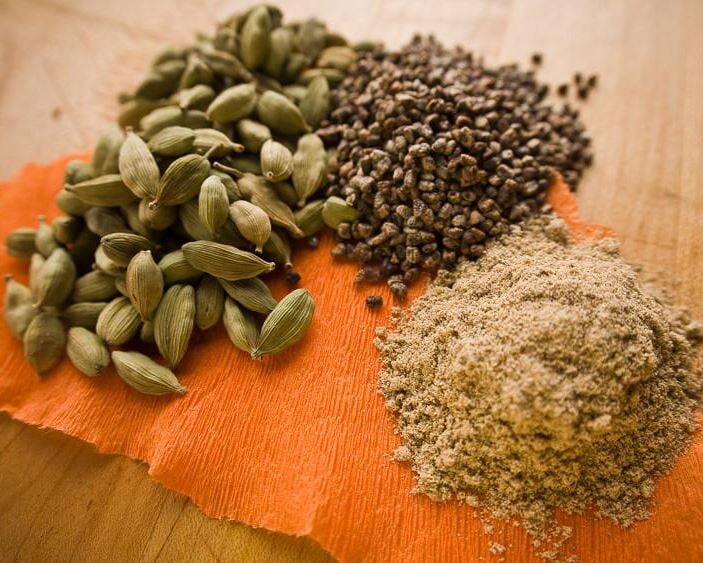
Best used in:
- Sweet breads
- Cinnamon buns
- Cakes
- Biscuits
- Pastries
- Rice puddings
- Sweet buns
5. Cloves
Cloves have an intense, sweet, and highly aromatic flavour. Because they are naturally powerful, only a small amount is needed to add warmth and depth.
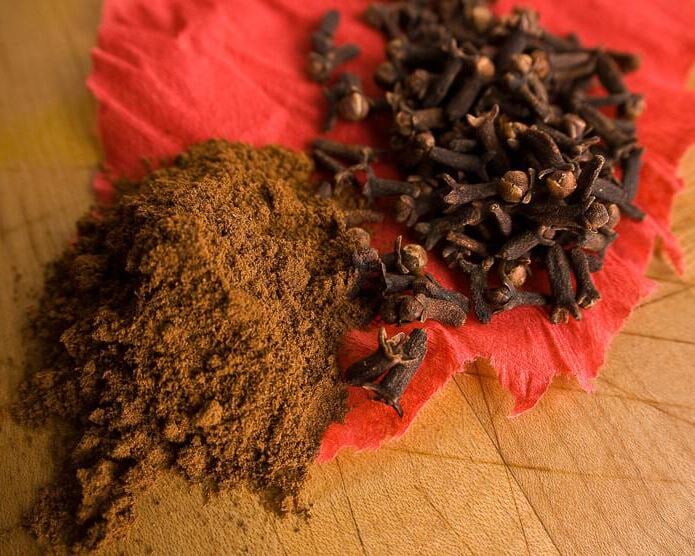
When balanced correctly, cloves enhance many traditional recipes without becoming overpowering.
Best used in:
- Fruit cakes
- Christmas cakes
- Gingerbread
- Mince pies
- Apple desserts
- Spice blends
6. Allspice
Despite its name, allspice is a single spice rather than a blend. Its flavour combines characteristics of cinnamon, cloves, and nutmeg, making it one of the most versatile baking spices. It provides warmth and subtle sweetness while helping create balanced spice blends.
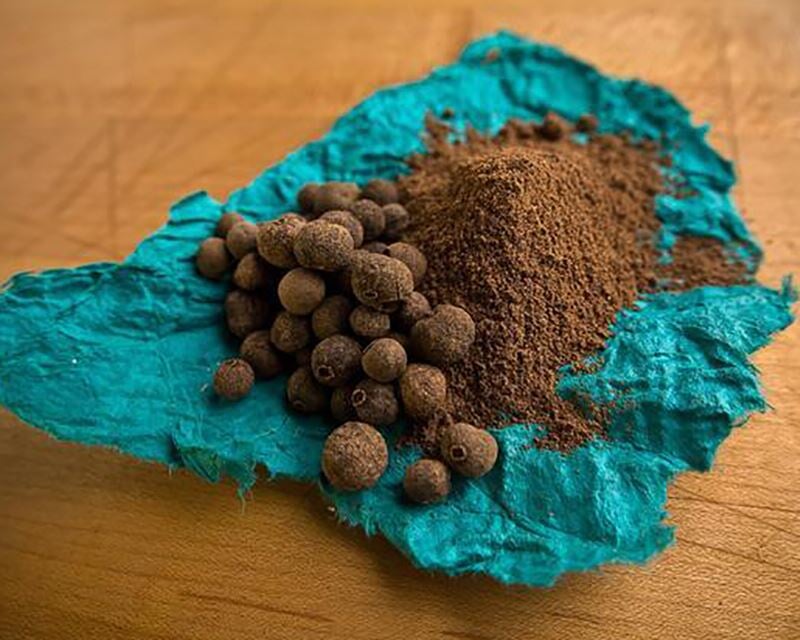
Best used in:
- Pumpkin pies
- Banana bread
- Cookies
- Muffins
- Fruit cakes
- Spice cakes
7. Star Anise
Star anise has a naturally sweet liquorice flavour with warm aromatic notes. While stronger than many baking spices, it adds distinctive depth when used in moderation. It is often infused into liquids or finely ground before being added to recipes.
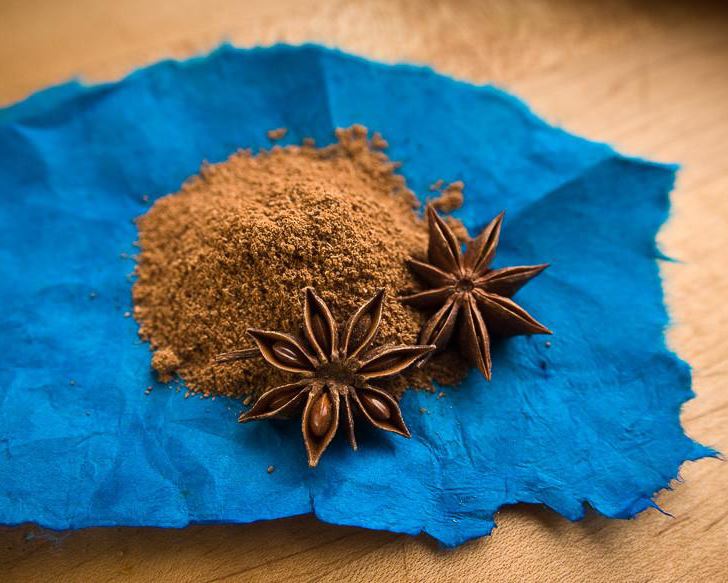
Best used in:
- Fruit compotes
- Poached pears
- Cakes
- Biscuits
- Festive desserts
- Mulled drinks
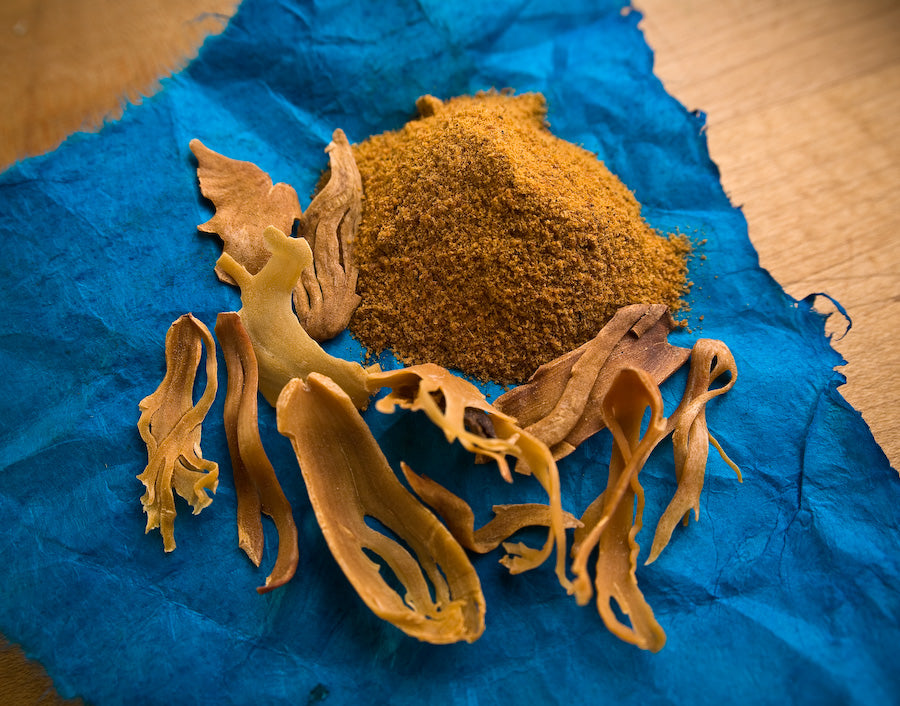
8. Mace Blades
Mace blades are the delicate outer covering of the nutmeg seed. It shares many of nutmeg's warm characteristics but has a lighter, sweeter, and slightly more refined flavour. Its subtle profile makes it ideal for recipes where a gentle warmth is preferred.
Best used in:
- Sponge cakes
- Biscuits
- Sweet pastries
- Custards
- Doughs
- Cream desserts
Understanding Sweet, Warm, and Aromatic Flavours
Although baking spices are often grouped together, they contribute different flavour characteristics. Recognising these differences makes it easier to choose the right spices for specific recipes and create balanced flavour combinations.
Sweet Baking Spices
Sweet baking spices provide gentle, rounded flavours that complement desserts without increasing sweetness. They work particularly well with butter, vanilla, fruit, chocolate, and dairy-based ingredients.
Common sweet baking spices include:
- Cinnamon
- Cardamom
- Mace
- Vanilla
These spices are suitable for everyday baking because they blend easily with other flavours and rarely overpower a recipe.
Warm Baking Spices
Warm spices create the rich, comforting flavours associated with autumn baking, festive desserts, and traditional family recipes. They add depth and richness while balancing sweet ingredients.
Common warm baking spices include:
- Nutmeg
- Ginger
- Cinnamon
- Cloves
- Allspice
These spices are frequently combined to create signature blends for gingerbread, pumpkin pie, fruit cake, and spiced biscuits.
Aromatic Baking Spices
Aromatic spices are recognised for their distinctive fragrance and flavour. Their essential oils are released during baking, filling the kitchen with inviting aromas while adding layers of complexity to finished bakes.
Examples include:
- Cardamom
- Star anise
- Cloves
- Mace
Aromatic spices bring balance, elegance, and depth to recipes without masking the flavour of the main ingredients.
How Different Baking Spices Affect Flavour
Every baking spice contributes more than a single taste. Some provide gentle sweetness, while others introduce warmth, freshness, earthiness, or floral notes.
Understanding these flavour characteristics makes it easier to select the right spice for a recipe and to create combinations that complement rather than compete with one another.
Understanding Flavour Balance
When baking with spices, balance is more important than quantity. Strong spices can easily dominate a recipe if they are not used carefully, while milder spices often provide subtle background notes that bring harmony to the overall flavour.
As a general guide:
- Mild spices add gentle flavour without overpowering other ingredients.
- Medium-strength spices form the foundation of many baking recipes.
- Strong spices should be used sparingly to add depth and complexity.
Layering spices with different flavour characteristics creates a more balanced result than relying on a single dominant spice.
The Best Baking Spice Combinations
Cinnamon provides warmth, nutmeg adds richness, and cardamom contributes a fresh, aromatic finish. Together, they create a more rounded flavour than any one spice could achieve on its own.
Below are some of the most effective combinations and why they work so well.
1. Cinnamon and Nutmeg
This classic pairing delivers warmth and sweetness without becoming overpowering. Cinnamon provides the dominant flavour, while nutmeg adds richness and subtle earthy notes.
Best for:
- Apple pies
- Banana bread
- Muffins
- Cakes
- Doughnuts
2. Cinnamon and Ginger
Cinnamon softens the lively warmth of ginger, creating a balanced flavour that works particularly well in baked goods with honey, molasses, or brown sugar.
Best for:
- Gingerbread
- Biscuits
- Spice cakes
- Sticky loaf cakes
3. Cardamom and Cinnamon
Cardamom introduces light citrus and floral notes that brighten cinnamon's woody warmth. Together, they create an elegant flavour profile found in many Scandinavian and Middle Eastern baked goods.
Best for:
- Sweet buns
- Pastries
- Cinnamon rolls
- Cakes
4. Nutmeg and Cloves
Cloves have a bold, aromatic flavour that complements the richness of nutmeg. Used in moderation, this combination creates depth without overwhelming a recipe.
Best for:
- Fruit cakes
- Christmas cakes
- Mince pies
- Rich desserts
5. Ginger, Cinnamon, and Cloves
This trio forms the foundation of many festive recipes. The combination produces a warm, spicy flavour that is instantly recognisable in seasonal baking.

Best for:
- Gingerbread
- Christmas biscuits
- Spice cakes
- Festive desserts
6. Allspice with Cinnamon and Nutmeg
Because allspice naturally combines flavours similar to cinnamon, cloves, and nutmeg, it blends effortlessly with these spices to produce a rounded, balanced flavour.
Best for:
- Pumpkin pie
- Banana bread
- Muffins
- Fruit loaves
Understanding Whole Vs Ground Baking Spices
One of the most common questions among home cooks and bakers is whether whole or ground spices produce better results. Both have advantages, and the right choice depends on the recipe, convenience, and the level of flavour required.
Whole Baking Spices
Whole spices retain their essential oils for much longer because their protective outer layer remains intact. As a result, they generally offer stronger aroma, fresher flavour, and a longer shelf life.
Many bakers prefer to buy whole cinnamon sticks, nutmeg, cardamom pods, cloves, or star anise and grind only what they need immediately before baking.
Advantages of Whole Spices
- Retain flavour for longer.
- Deliver a fresher aroma.
- Produce more vibrant flavour.
- Ideal for grinding fresh or infusing liquids.
Ground Baking Spices
Ground spices offer convenience and consistency, making them ideal for everyday baking. They blend easily into batters, doughs, and dry ingredients without requiring additional preparation.
However, if not stored properly, spices lose their essential oils more quickly, and this is why their flavour may gradually weaken over time.
Advantages of Ground Spices
- Ready to use.
- Easy to measure accurately.
- Blend evenly throughout recipes.
- Convenient for frequent baking.
How to Use Baking Spices Correctly
Using your baking spice collection effectively involves more than simply following a recipe. Measuring accurately, understanding flavour strength, and knowing when to add spices all contribute to a better final result.
1. Measure Carefully
Baking is a precise process, and spices should be measured accurately. Even small changes in quantity can noticeably affect the flavour of a finished bake, particularly when using stronger spices such as cloves or star anise.
When experimenting with new recipes, it is often better to start with smaller amounts and adjust in future batches if needed.
2. Combine Spices Thoughtfully
Rather than relying on one dominant spice, combine complementary flavours to create greater depth.
A balanced spice blend often includes:
- A foundation spice such as cinnamon.
- A warming spice such as nutmeg or ginger.
- An accent spice such as cardamom, cloves, or mace.
This layered approach creates complexity without allowing any single flavour to overpower the others.
3. Match Spices to the Main Ingredients
Different ingredients naturally pair better with certain spices.
|
Ingredients |
Recommended Spices |
|
Apples |
Cinnamon, nutmeg, cloves |
|
Pears |
Cardamom, cinnamon, star anise |
|
Pumpkin |
Cinnamon, ginger, allspice, nutmeg |
|
Chocolate |
Cinnamon, cardamom, chilli (small amount) |
|
Citrus fruits |
Cardamom, ginger, star anise |
|
Bananas |
Cinnamon, nutmeg, allspice |
|
Nuts |
Cinnamon, cardamom, nutmeg |
4. Use Fresh Spices
Freshness has a significant impact on flavour. As spices age, their essential oils gradually evaporate, reducing both aroma and intensity.
Signs that spices may need replacing include:
- A weak or dull aroma.
- Faded colour.
- Little flavour when tasted.
- Clumping caused by moisture.
Replacing older spices helps maintain consistent baking results.
Common Mistakes When Using Baking Spices
Even high-quality spices cannot deliver their full flavour if used incorrectly. Avoiding these common mistakes will help you get the best results from every recipe.
Using Expired Spices
Old spices lose much of their aroma and flavour, resulting in baked goods that taste flat or dull.
Adding Too Much of Strong Spices
Cloves, star anise, and nutmeg are naturally powerful. Using excessive amounts can overpower more delicate ingredients.
Relying on One Spice
Using only cinnamon or another single spice may produce a one-dimensional flavour. Combining complementary spices creates greater depth and complexity.
Storing Spices Improperly
Heat, moisture, light, and air all reduce the quality of spices over time. Proper storage is essential for preserving their flavour.
Buying Low-Quality Spices
The quality of the spice directly affects the finished bake. Fresh, carefully sourced spices typically deliver richer flavour, stronger aroma, and more consistent results than lower-grade alternatives.
5 Tips to Store Baking Spices to Keep Them Fresh and Flavourful
Proper storage helps preserve the flavour, aroma, and quality of baking spices. Exposure to heat, moisture, air, and direct sunlight gradually reduces the strength of their essential oils, leading to weaker flavour and aroma over time.
Following a few simple storage practices will help keep spices fresher for longer.
1. Store Spices in Airtight Containers
Transfer spices to airtight glass or food-safe containers if their original packaging does not seal properly. Limiting exposure to air helps preserve their flavour and aroma.
2. Keep Them in a Cool, Dry Place
Store spices in a cupboard or pantry away from direct sunlight, ovens, cooktops, and other heat sources. Excessive heat and humidity can cause spices to lose their flavour more quickly.
3. Buy Appropriate Quantities
Buying spices in quantities that match your baking habits helps ensure they are used while still fresh. Large amounts may lose their quality before they are finished, particularly if they are used infrequently.
4. Label and Rotate Your Spices
Mark containers with the purchase date and use older spices before opening newer ones. Regularly checking your spice collection helps maintain freshness and avoid unnecessary waste.
5. Whole Vs Ground Storage
Whole spices generally retain their flavour for longer because their essential oils remain protected until they are crushed or ground. Ground spices, by comparison, have a larger surface area exposed to air and therefore lose their aroma more quickly.
How to Choose High-Quality Baking Spices in Canada
The quality of your spices directly influences the flavour of your baking. Fresh, carefully sourced spices provide stronger aroma, more vibrant flavour, and greater consistency than older or lower-grade products.
When buying baking spices in Canada, look for some of the following characteristics:
- Strong Aroma: Quality spices should have a distinctive fragrance as soon as the container is opened. A weak aroma often indicates that the essential oils have diminished.
- Vibrant Colour: Fresh spices usually have a rich, natural colour. Faded or dull-looking spices may have been stored for extended periods or exposed to unsuitable conditions.
- Buy Whole Spices Where Practical: Whole spices retain their flavour for longer than ground varieties. Grinding them shortly before use helps release their natural oils at their freshest.
- Choose Reputable Suppliers: Purchasing spices from trusted suppliers helps ensure consistent quality, freshness, and careful handling throughout the process, from sourcing to packaging.
Conclusion
Baking spices are among the most important ingredients in any baker's cupboard. They add warmth, aroma, depth, and complexity that elevate everything from everyday biscuits and muffins to celebration cakes and festive desserts. Understanding the flavour profile of each spice, how they complement one another, and where they work best makes it easier to create balanced recipes with consistent results.
Whether you prefer the comforting sweetness of cinnamon, the richness of nutmeg, the brightness of cardamom, or the bold aroma of cloves, choosing fresh, high-quality spices is key to achieving the best flavour. By contacting trusted Canadian spice brands like The Spice Trader, you can get fresh and aromatic baking spices.
What you have to do is - store these baking spices properly, and combine them thoughtfully, with this, you can bring greater taste and depth to every bake while making the most of each recipe.