


White Peppercorns Explained: Flavour, Heat, and Best Culinary Uses


Discover the unique flavour, sharper heat, and best cooking uses of white pepper in global cuisines!
When most people think of pepper, they picture the familiar black specks scattered over steaks, eggs, and roasted vegetables.
However, white peppercorns from The Spice Trader offer an entirely different culinary experience. Although they come from the same plant as black pepper, their processing methods create a distinctive flavour, aroma, and heat level that have earned them a permanent place in professional kitchens around the world.
From silky French sauces to bold Chinese soups and fragrant Southeast Asian marinades, white pepper is known for adding clean, lingering heat without altering a dish's appearance. Its earthy, slightly fermented character also brings a depth of flavour that black pepper cannot replicate.
What Are White Peppercorns?
White peppercorns are the fully ripened berries of the Piper nigrum vine, the same tropical climbing plant that produces black, green, and red peppercorns. The difference lies not in the plant itself but in when the berries are harvested and how they are processed afterwards.
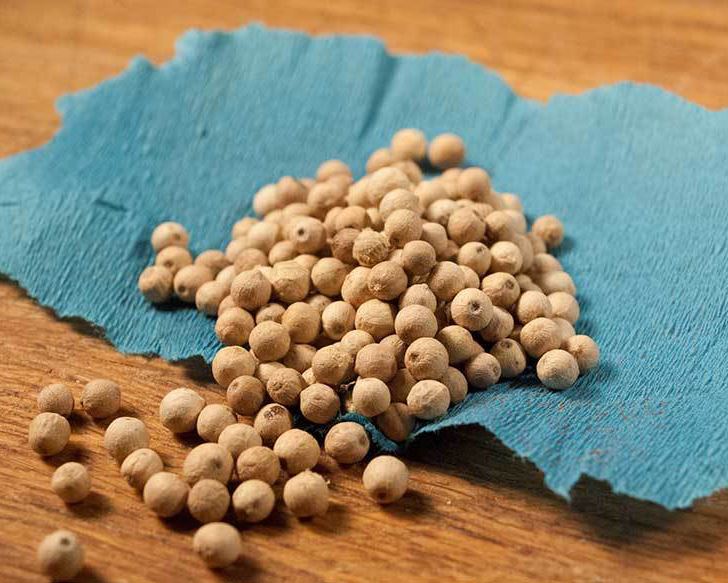
Unlike black pepper, which is made from green, unripe berries that are dried with their outer skin intact, white peppercorns are left to ripen until they turn red. The berries are then soaked in water for several days, allowing the outer fruit and dark skin to soften before being removed. What remains is the pale inner seed, which is then washed and dried to create the familiar creamy-white peppercorn.
This traditional processing method produces a spice with a cleaner appearance and a flavour profile that differs significantly from black pepper.
Why Does White Pepper Taste Different?
The unique taste of white pepper comes from removing the berry's outer layer. The skin of a black peppercorn contains many of the aromatic compounds responsible for bright citrus, pine, floral, and fruity notes. Once this layer is removed, the remaining seed develops a more concentrated, earthy character with a sharper, lingering heat.
The soaking process for 7 to 15 days also introduces subtle fermented flavours, giving white pepper its distinctive musky aroma that many chefs associate with classic European and Asian cooking.
Rather than replacing black pepper, white pepper serves a different culinary purpose. Each brings its own strengths depending on the recipe.
Flavour Profile and Heat of White Peppercorns
One of the biggest misconceptions is that white pepper is simply a milder version of black pepper. In reality, the opposite is often true.
A Sharp, Focused Heat
Because the outer husk has been removed, the heat of white peppercorns feels cleaner and more direct. Many people describe it as a slow-building warmth that lingers on the palate rather than delivering the immediate burst of flavour associated with freshly cracked black pepper.
Although both peppers contain the same naturally occurring compound, piperine, the absence of the aromatic outer layer makes the spice's heat more noticeable.
Earthy and Umami-Rich Flavour
Instead of citrusy brightness, white pepper offers:
- Earthy undertones
- Mild fermented notes
- Subtle muskiness
- Savoury, umami-like depth
- Gentle woody characteristics
These qualities make it particularly effective in dishes where delicate ingredients need seasoning without being overwhelmed.
Freshly Ground Vs Pre-Ground White Pepper
Like many spices, freshness makes a remarkable difference. Pre-ground white pepper gradually loses its volatile oils, leaving behind mostly heat while sacrificing much of its complexity. Grinding whole white peppercorns immediately before cooking preserves their aroma and creates a far more vibrant flavour.
A quality pepper grinder or a mortar and pestle will produce the best results. If you're exploring premium pepper varieties, you may also enjoy learning about other speciality peppercorns available at The Spice Trader, including green, pink, and Sichuan peppers.
White Vs Black Pepper: What's the Difference?
Although both originate from the same pepper vine, the differences are significant.
|
White Peppers |
Black Peppers |
|
Made from fully ripened berries |
Made from unripe green berries |
|
Outer skin removed |
Outer skin retained |
|
Earthy, musky flavour |
Bright, floral, citrusy flavour |
|
Cleaner appearance |
Visible black specks |
|
Popular in creamy dishes and Asian cuisine |
Used across nearly every cuisine |
When comparing white vs black pepper, neither is objectively better. Instead, choosing the right pepper depends on the desired flavour and presentation.
For example:
- Use black pepper when you want bold aroma and visual contrast.
- Choose white pepper when appearance matters or when earthy depth complements delicate ingredients.
Many professional chefs actually keep both on hand because each performs a different role in the kitchen.

Best Culinary Uses of White Peppercorns
One reason white pepper remains a staple in professional kitchens is its remarkable versatility.
1. Creamy Soups and White Sauces
Perhaps the most famous use of white pepper is in classic French cooking.
Silky sauces such as béchamel, velouté, and cream sauces benefit from its peppery warmth without the distraction of black flecks. It also blends beautifully into potato soup, cauliflower soup, mushroom soup, and chowders. The smooth appearance of these dishes remains intact while still delivering balanced seasoning.
2. Chinese and Southeast Asian Cuisine
White pepper plays a starring role throughout Asian cooking.
Its distinctive warmth appears in favourites including:
- Hot and sour soup
- Congee
- Fried rice
- Stir-fries
- Dumpling fillings
- Wonton soup
- Noodle dishes
- Seafood marinades
Unlike black pepper, which contributes noticeable aroma, white pepper enhances savoury flavours while allowing ingredients like ginger, garlic, soy sauce, sesame oil, and rice vinegar to shine.
3. Seafood and Poultry
Fish, prawns, scallops, chicken, and turkey all have delicate flavours that can easily become masked by stronger seasonings. White pepper adds gentle warmth without overpowering these lighter proteins.
It works especially well with:
- Butter sauces
- Lemon-based marinades
- Herb rubs
- Cream reductions
- Seafood chowders
4. Potato and Rice Dishes
Starchy foods naturally absorb seasoning, making them excellent partners for white pepper. Consider adding freshly ground white pepper to:
- Mashed potatoes
- Potato gratin
- Potato salad
- Rice porridge
- Risotto
- Buttered rice
- Creamy casseroles
Its earthy notes become more noticeable in these simple dishes where fewer competing flavours are present.
5. Homemade Spice Blends
White pepper is a key ingredient in several traditional European spice blends. Perhaps the best-known example is quatre épices, the classic French four-spice blend commonly used in pâtés, terrines, sausages, and slow-cooked meats. It also complements homemade seasoning mixes for roasted vegetables, poultry, seafood, and creamy pasta dishes.
5 Cooking Tips for Using White Pepper
To get the best results from white peppercorns, keep these five practical tips in mind.
- Grind only what you need for maximum freshness.
- Use sparingly at first, as its heat develops gradually.
- Add towards the end of cooking when possible to preserve aroma.
- Store whole peppercorns in an airtight container away from heat and sunlight.
- Pair with butter, cream, garlic, ginger, mushrooms, potatoes, poultry, seafood, and mild cheeses for balanced flavour.
A little white pepper often goes much further than expected.
How to Store White Peppercorns
Whole spices retain their flavour far longer than pre-ground versions.
For the best quality:
- Store whole peppercorns in an airtight glass container.
- Keep them away from direct sunlight.
- Avoid moisture and humidity.
- Grind only before use.
When stored correctly, whole white peppercorns can maintain excellent flavour for several years, while ground pepper is best used within several months for optimal aroma.
Conclusion
Although often overshadowed by its darker counterpart, white peppercorns deserve a place in every well-stocked kitchen. Their earthy flavour, lingering warmth, and ability to season light-coloured dishes without affecting appearance make them an essential ingredient for both professional chefs and home cooks.
Whether you're preparing creamy soups, classic French sauces, authentic Asian recipes, delicate seafood dishes, or comforting potato dishes, white pepper adds a distinctive layer of flavour that black pepper cannot replicate. Rather than viewing the debate as white vs black pepper, think of them as complementary spices, each bringing unique characteristics to different recipes.
Choosing high-quality whole peppercorns and grinding them fresh allows you to experience their full complexity and appreciate why this remarkable spice has remained a favourite in kitchens around the world for centuries.