


Sichuan Peppercorns: Flavour, Numbing Sensation, and Culinary Uses


Exploring the Spice Behind the Famous Málà Flavour!
Few spices in the world create as much curiosity as Sichuan peppercorns. With their bright citrus aroma, floral fragrance, and unmistakable tingling sensation, they offer an experience unlike any other spice.
While many people associate them with fiery Chinese dishes, the true flavour of Sichuan peppercorns lies not in heat but in their remarkable ability to create a mouth-numbing, almost electric sensation that transforms the way we experience flavour.
Known as both Sichuan peppercorns and Szechuan pepper, these unique husks have been an essential ingredient in Chinese cuisine for centuries. They are responsible for the famous málà flavour profile that defines many dishes from Sichuan Province, combining numbing and spicy sensations into a perfectly balanced culinary experience.
As global interest in authentic regional cuisines continues to grow, more home cooks and professional chefs are discovering the versatility of this extraordinary numbing spice. From classic hot pots and noodle dishes to modern cocktails and desserts, Sichuan peppercorns from The Spice Trader bring a level of complexity and excitement that few ingredients can match.
What Are Sichuan Peppercorns
Despite their name, Sichuan peppercorns are not actually peppercorns ...
Unlike black pepper, white pepper, or chilli peppers, they come from the dried outer husks of shrubs in the genus Zanthoxylum, commonly known as prickly ash trees. These plants are members of the citrus family, which helps explain the distinctive lemony aroma that sets them apart from traditional peppers.
When the fruits mature, they split open naturally, revealing small black seeds inside. However, the flavourful component isn't the seed itself. The prized culinary ingredient is the thin outer husk.
This distinction is important because the husks contain the aromatic oils and numbing compounds that give Sichuan peppercorns their characteristic flavour. At the same time, the seeds are often bitter and generally discarded before cooking.
For centuries, these peppercorns have played a central role in Chinese cuisine, particularly in Sichuan Province, where bold flavours, complex seasonings, and layered spice profiles are celebrated. Today, their popularity extends far beyond China, finding a place in kitchens around the world.
The History of Sichuan Pepper in Chinese Cuisine
Sichuan peppercorns have been used in Chinese cooking for thousands of years. Historical records suggest they were valued not only for their flavour but also for their traditional medicinal applications.
Long before chilli peppers arrived in China from the Americas during the 16th century, Sichuan peppercorns were already being used to add complexity to food. Once chillies became widely available, cooks discovered that combining the two ingredients created an entirely new flavour experience. This pairing eventually became one of the defining characteristics of Sichuan cuisine and gave rise to the famous málà flavour profile that remains popular today.
While once considered a speciality ingredient primarily found in Asian markets, Sichuan peppercorns are now widely available and appreciated by chefs worldwide for their unique sensory qualities.
What Does Sichuan Pepper Taste Like
One of the reasons Sichuan peppercorns have captivated cooks for generations is their incredibly complex flavour profile. Unlike spices that offer a single dominant characteristic, Sichuan peppercorns provide layers of aroma, flavour, and sensation that unfold gradually.
A Bright and Aromatic Fragrance
The first thing most people notice is the aroma.
Fresh Sichuan peppercorns release an intensely fragrant bouquet featuring:
- Lemon zest
- Grapefruit notes
- Pine-like freshness
- Floral undertones
- Herbal complexity
The scent is often described as vibrant, refreshing, and uplifting, making it very different from the earthy sharpness of black pepper.
A Citrusy, Complex Taste
When tasted, Sichuan peppercorns deliver a flavour that is:
- Citrusy
- Lightly woody
- Slightly earthy
- Floral
- Fresh and clean
Unlike chilli peppers, they do not produce significant heat. Instead, they contribute brightness and complexity that enhance surrounding ingredients.
This is why they pair exceptionally well with rich foods such as duck, pork, beef, and oily sauces. Their citrus-forward character helps balance heavier flavours and creates a more dynamic eating experience.
Why Chefs Love Sichuan Peppercorns
Professional chefs often use Sichuan peppercorns because they offer something few spices can provide: flavour enhancement without overwhelming heat.
Their unique properties allow them to:
- Increase perceived flavour intensity
- Balance richness and fat
- Add aromatic complexity
- Create memorable sensory contrast
- Complement both savoury and sweet dishes
The result is a spice that can transform a dish without dominating it.
The Difference Between Red and Green Sichuan Peppercorns
Many people are surprised to learn that Sichuan peppercorns come in multiple varieties. The two most common are red and green Sichuan peppercorns, each offering a distinct flavour profile.
Red Sichuan Peppercorns
Red peppercorns are the traditional and most widely available variety.
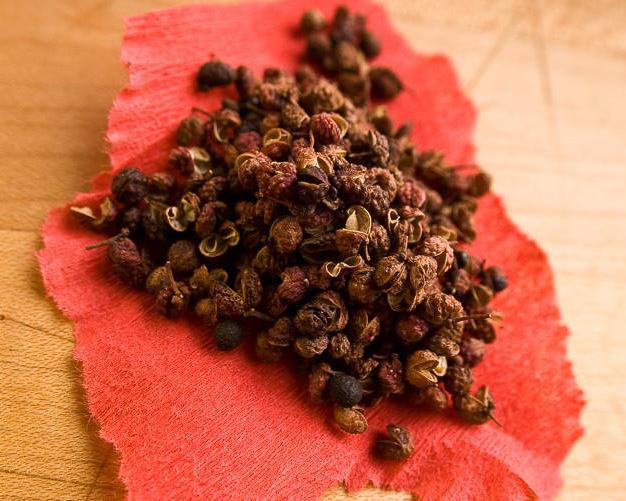
They feature:
- Deep citrus aroma
- Warm earthy notes
- Floral complexity
- Moderate numbing effect
- Balanced flavour profile
These peppercorns are commonly used in classic Sichuan dishes and are often the preferred choice for everyday cooking.
Green Sichuan Peppercorns
Green Sichuan peppercorns are harvested earlier and possess a more vibrant character.

They are known for:
- Intense lime-like aroma
- Brighter citrus notes
- Stronger numbing sensation
- Fresher flavour profile
- Greater aromatic intensity
Many modern chefs prefer green peppercorns when preparing seafood dishes or contemporary recipes that benefit from a brighter flavour profile.
Red Vs. Green Sichuan Peppercorns
|
Features |
Red Sichuan Peppercorns |
Green Sichuan Peppercorns |
|
Aroma |
Earthy citrus |
Bright lime zest |
|
Flavour |
Warm and balanced |
Fresh and vibrant |
|
Numbing Effect |
Moderate |
Strong |
|
Traditional Use |
Classic Sichuan cuisine |
Seafood and modern dishes |
|
Availability |
Common |
Less common |
Both varieties have their strengths, and many cooks enjoy keeping both on hand for different applications.
The Famous Numbing Sensation
What truly distinguishes Sichuan peppercorns from every other spice is their remarkable numbing effect.
In Chinese, this sensation is known as má (麻). Rather than producing a burning sensation like chilli peppers, Sichuan peppercorns create a tingling, buzzing feeling that spreads across the tongue, lips, and mouth. For first-time tasters, the experience can be surprising and unforgettable.
What Causes the Tingling Effect?
The sensation comes from a naturally occurring compound called hydroxy-alpha-sanshool.
This compound is concentrated within the husks and interacts with sensory nerve endings in the mouth.
Interestingly, it doesn't primarily affect taste receptors. Instead, it stimulates touch-sensitive neurons that detect movement and vibration. As a result, the brain interprets the stimulation as tingling, buzzing, or gentle electrical pulses.
Why Does It Feel Like Your Mouth Is Vibrating?
Scientists have compared the sensation to:
- Drinking highly carbonated sparkling water
- Tiny electric pulses
- Gentle vibrations
- Champagne bubbles dancing on the tongue
This neurological response creates the signature mouthfeel that has made Sichuan peppercorns famous worldwide.
Is the Numbing Effect Spicy?
Not exactly. The numbing sensation is entirely different from the burning heat associated with chilli peppers.
Many people mistakenly assume Sichuan peppercorns are extremely spicy. In reality, their defining characteristic is sensory stimulation rather than heat. This distinction is what makes them such a fascinating ingredient.
4 Essential Culinary Uses for Sichuan Peppercorns
Sichuan peppercorns are incredibly versatile and can be used in numerous ways.
1. Traditional Sichuan Dishes
Some of the most famous dishes featuring Sichuan peppercorns include:
- Mapo Tofu
- Dan Dan Noodles
- Sichuan Hot Pot
- Dry-Fried Chicken
- Twice-Cooked Pork
- Kung Pao Chicken
In each of these dishes, the peppercorns contribute aroma, complexity, and the signature numbing effect.
2. Sichuan Chilli Oil
One of the most popular applications is homemade Sichuan chilli oil. Whole peppercorns are gently infused in oil alongside dried chillies and spices.
The resulting oil absorbs:
- Citrus aromas
- Floral notes
- Earthy depth
- Numbing compounds
It can then be used to dress noodles, drizzle over dumplings, flavour stir-fries, or finish grilled meats.
3. Dry Rubs and Marinades
Ground Sichuan peppercorns work exceptionally well in spice blends.
They pair beautifully with:
- Beef
- Duck
- Chicken
- Pork
- Lam
Their citrus notes help cut through richness while enhancing savoury flavours.
4. Soups and Braises
Adding Sichuan peppercorns to broths and braising liquids creates subtle complexity and fragrance without overwhelming the dish.
How to Prepare Sichuan Peppercorns Properly
Proper preparation is essential for achieving the best flavour.
Remove the Seeds
The flavour and numbing properties reside in the husks. The small black seeds contribute little flavour and can introduce bitterness. Whenever possible, separate and discard the seeds before use.
Toast for Maximum Flavour
Toasting is one of the most effective ways to enhance Sichuan peppercorns.
To toast them:
- Heat a dry skillet over low heat.
- Add the peppercorns.
- Stir continuously.
- Remove once they become fragrant.
This process intensifies their citrus and nutty characteristics while making them easier to grind.
Grind Fresh
Freshly ground Sichuan peppercorns offer significantly better flavour than pre-ground products.
Grinding immediately before use preserves:
- Aromatic oils
- Citrus notes
- Floral complexity
- Numbing potency
Either a mortar and pestle or a spice grinder works perfectly.
How to Buy High-Quality Sichuan Peppercorns
Quality matters significantly. Get the highest quality spices (including Sichuan Peppercorns) from trusted spice providers like The Spice Trader …
Look for peppercorns that are:
- Brightly coloured
- Highly aromatic
- Mostly seed-free
- Uniform in appearance
- Free from excess stems and debris
Fresh peppercorns should release a noticeable citrus fragrance as soon as the package is opened. If they smell weak or stale, much of their flavour potential has likely been lost.
How to Store Sichuan Peppercorns
Proper storage helps preserve both flavour and numbing potency.
For best results:
- Store in an airtight container.
- Keep away from sunlight.
- Avoid heat and humidity.
- Grind only what you need.
Whole peppercorns retain their quality significantly longer than ground pepper.
Common Mistakes When Cooking with Sichuan Peppercorns
1. Using Too Much
The numbing effect can become overwhelming when overused.
Start with small amounts and adjust gradually.
2. Burning the Peppercorns
High heat can quickly scorch the husks and introduce bitterness.
Always toast gently.
3. Leaving the Seeds Intact
The seeds contribute bitterness without adding desirable flavour.
4. Using Stale Peppercorns
Old peppercorns lose both aroma and numbing intensity. Freshness makes a significant difference.
Conclusion
Sichuan peppercorns are unlike any other spice. Their fresh citrus aroma, mild floral notes, and unique tingling sensation create a flavour experience that stands out from traditional peppers and chillies. Whether you use them in classic Sichuan recipes, homemade chilli oil, marinades, or stir-fries, they add a distinctive taste and aroma that can instantly enhance a dish.
Learning how to choose, prepare, and store Sichuan peppercorns properly helps you get the best flavour from them. With their ability to add complexity without overwhelming heat, they are a versatile ingredient worth keeping in your spice collection. If you are looking to bring authentic Chinese flavours and exciting new tastes to your cooking, Sichuan peppercorns are an excellent place to start.